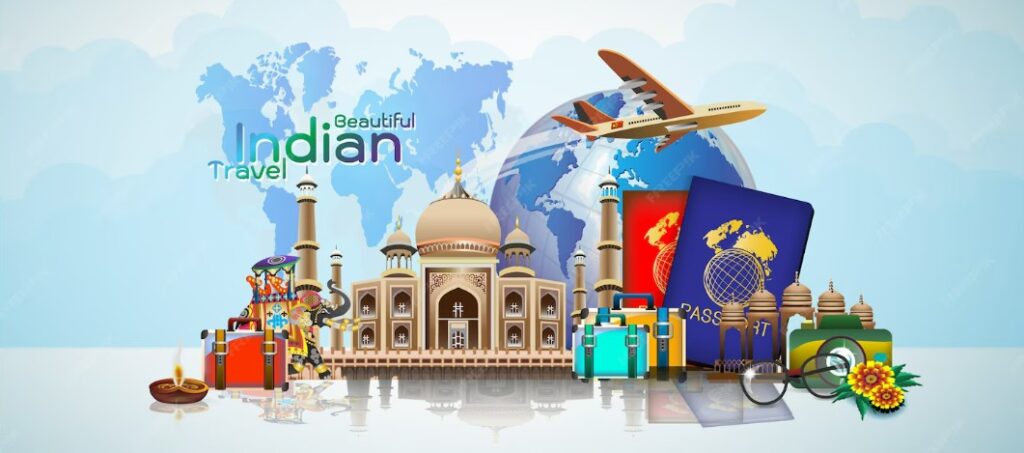
Tourism makes a significant contribution to the Indian economy, which is renowned for its diverse attractions ranging from historical monuments and vibrant festivals to natural wonders and advanced healthcare facilities.
Economic Significance
The tourism sector contributes significantly to India’s GDP, provides employment to millions of people, and supports local businesses. According to recent data, travel and tourism contribute approximately US$ 178 billion to the economy, and more than 20 million people are directly or indirectly employed in this industry.
Types of Tourism
Cultural Tourism: Visitors experience India’s rich history through ancient temples, palaces, festivals, and UNESCO World Heritage Sites, such as the Taj Mahal and the Ajanta and Ellora Caves.
Adventure Tourism: Activities like trekking in Ladakh and Sikkim, skiing in Himachal Pradesh, and river rafting in Uttarakhand attract adventure enthusiasts.
Beach Tourism: Goa, Kerala, Andaman and Nicobar Islands, and Lakshadweep are popular for their beautiful beaches and water sports.
Eco and Wildlife Tourism: National parks like Kaziranga, Gir, and Kanha are famous for ecotourism and wildlife safaris, promoting conservation and sustainability.
Medical and Wellness Tourism: India is a global hub for medical treatment, yoga, Ayurveda, and wellness centers, attracting international visitors seeking holistic care.
Government Initiatives
The Incredible India campaign and the National Tourism Policy promote domestic and international tourism, improve infrastructure, encourage eco-friendly practices, and develop niche tourism products such as rural, cruise, and wellness tourism.
Key Tourist Destinations
Some of India’s most famous travel destinations include Agra (Taj Mahal), Jaipur, Goa, Kerala, Manali, Hampi, Varanasi, Amritsar, and the Himalayan hill stations.
Unique Experiences
Tourists are often drawn to India’s hospitable customs, colorful fairs and festivals (Pushkar Fair, Taj Mahotsav), pilgrimage sites, traditional treatments, and regional cuisine.
The country’s diverse geography offers everything from the deserts of Rajasthan to the snow-capped peaks of the Himalayas and the lush rainforests of the Western Ghats.
India’s tourism industry is continuously growing through innovation, improved connectivity, and sustainable development, offering a wide range of experiences to tourists from around the world.
Key types of tourism popular in India
India offers a diverse range of tourism options, catering to different types of tourists. The main popular types include:
Adventure Tourism
This includes trekking, mountaineering, skiing, paragliding, rock climbing, river rafting, and camel safaris.
Popular Destinations: Ladakh, Sikkim, the Himalayas, Himachal Pradesh, Uttarakhand, Rajasthan, Goa, and Rishikesh.
Cultural and Heritage Tourism
This focuses on India’s ancient sites, rich traditions, architecture, art, and festivals.
Main Attractions: Taj Mahal (Agra), Hampi, Ajanta and Ellora Caves, temples of Tamil Nadu, heritage cities like Jaipur and Varanasi.
Wildlife and Eco-tourism
This emphasizes India’s national parks, wildlife sanctuaries, and efforts towards sustainable and responsible travel.
Most Famous Places: Kaziranga National Park, Gir Forest, Jim Corbett National Park, the rainforests of Kerala, and the Western Ghats.
Beach Tourism
This offers travelers relaxation with sun, sand, and sea, often including water sports.
Popular Places: Goa, Kerala, Andaman and Nicobar Islands, Lakshadweep.
Medical and Wellness Tourism
This attracts international visitors seeking affordable and high-quality healthcare, yoga, and Ayurvedic treatments.
Centers: Major urban hospitals, wellness retreats in Kerala, Uttarakhand, and Goa.
Pilgrimage Tourism
This draws millions of people of all major religions to India’s religious sites.
Notable Places: Vaishno Devi (Jammu), Varanasi, Tirupati, Amritsar (Golden Temple), Mathura-Vrindavan, and Char Dham.
Rural Tourism
This provides an immersive experience into Indian village life, crafts, and folk traditions. Location: Rural Rajasthan, Odisha, West Bengal and other regions embracing rural tourism.
These diverse offerings make India a unique destination that caters to a wide range of interests and passions worldwide.
Best Tourism Places in India
Top Places in East India
- West Bengal – Cultural and economic hub of eastern India.
- Bihar – Historically rich; rapid population growth.
- Odisha – Known for minerals, industries, and temples (like Jagannath Puri).
- Jharkhand – Resource-rich, especially in coal and steel.
- Assam – Gateway to the Northeast, famous for tea and oil.
Top Places in West India
- Maharashtra – India’s financial capital (Mumbai).
- Gujarat – Major industrial and business powerhouse.
- Rajasthan – Largest state by area, known for tourism and heritage.
- Goa – Popular tourist destination.
- Dadra & Nagar Haveli and Daman & Diu – Small but industrially active union territory.
Top Places in North India
- Uttar Pradesh – Most populous, with major cultural and religious significance.
- Punjab – Agricultural hub and rich in culture.
- Haryana – Industrial and agricultural mix, near Delhi NCR.
- Himachal Pradesh – Hill state known for tourism and natural beauty.
- Uttarakhand – Pilgrimage and scenic hill state.
Top Places in South India
- Tamil Nadu – Industrial and cultural center; top in education and GDP
- Karnataka – IT hub (Bengaluru), diverse economy.
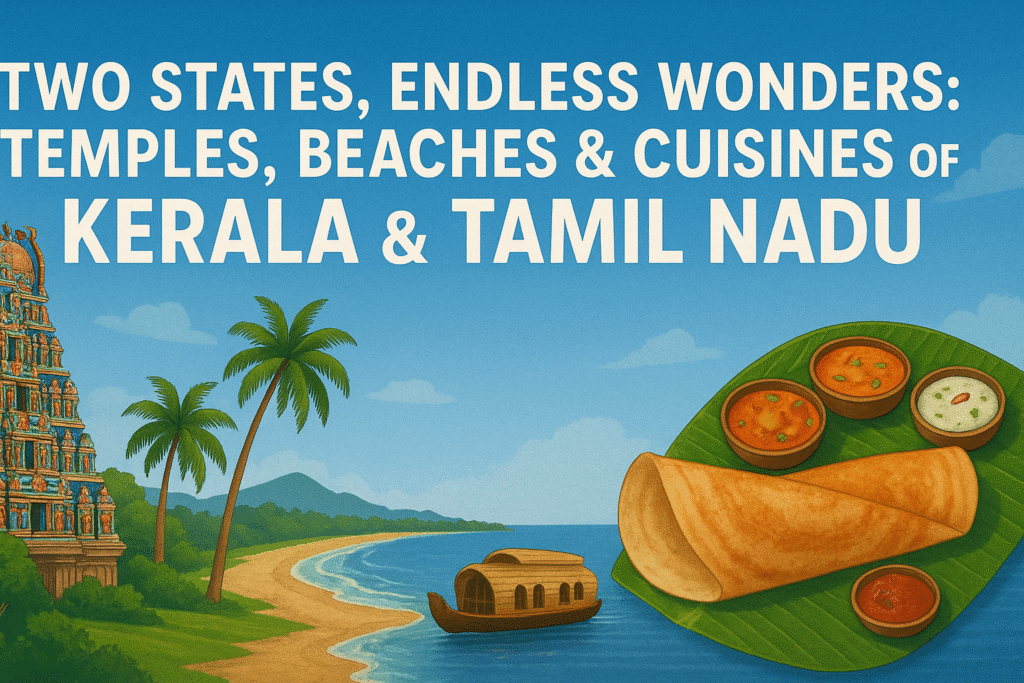
- Kerala – High literacy, tourism, and healthcare.
- Andhra Pradesh – Strong in agriculture and ports.
- Telangana – Fast-growing tech and business state (Hyderabad)
Union Territory
Jammu & Kashmir
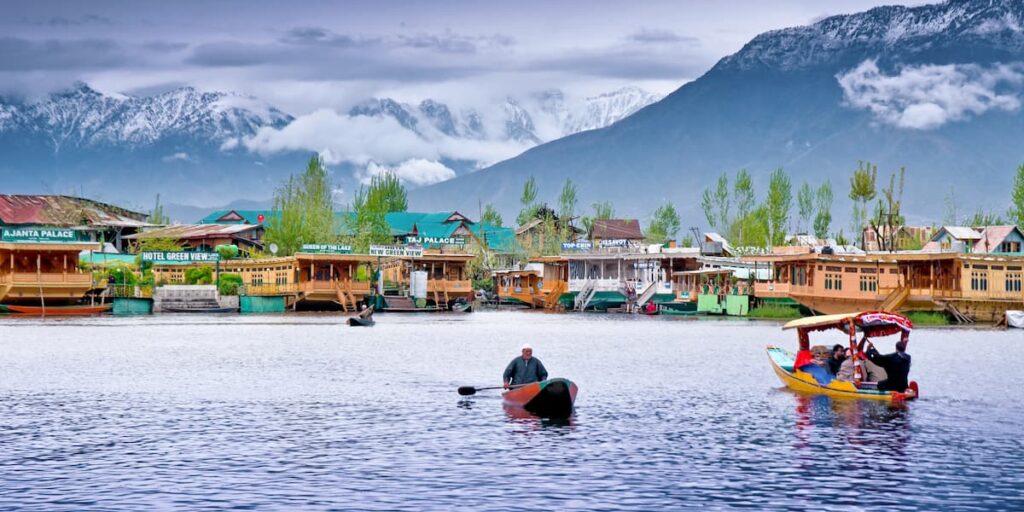
- Srinagar District: Famous for Dal Lake, Nigeen Lake, Shankaracharya Temple, Mughal Gardens, Houseboats, Shikara rides. Highlight: The heart of Kashmir — stunning lakes and gardens surrounded by snow-capped peaks.
- Gulmarg (Baramulla District): Famous for Skiing, Gulmarg Gondola (one of the world’s highest cable cars), and snow sports. Highlight: A paradise for adventure lovers and honeymooners.
- Pahalgam (Anantnag District): Famous for Betaab Valley, Aru Valley, Lidder River, trekking routes. Highlight: Gateway to the Amarnath Yatra, and a peaceful hill resort.
- Sonamarg (Ganderbal District): Famous for Thajiwas Glacier, Zero Point, Zoji La Pass. Highlight: Known as the “Meadow of Gold” — perfect for camping and snow adventures.
- Jammu District: Famous for Raghunath Temple, Ranbireshwar Temple, Bahu Fort, Mubarak Mandi Palace. Highlight: Winter capital of J&K; rich in heritage and spiritual tourism.
- Katra (Reasi District): Famous for Vaishno Devi Temple (one of India’s most visited shrines). Highlight: A major pilgrimage destination attracting millions of devotees every year.
- Kupwara District: Famous for Bangus Valley, Lolab Valley, Seemab Valley. Highlight: Offbeat gem known for pristine meadows and untouched nature.
- Doda District: Famous for Bhaderwah (“Mini Kashmir”), Padri Pass, Chinta Valley. Highlight: Scenic valleys, adventure tourism, and tranquil landscapes.
- Kargil District (Ladakh region, historically part of J&K): Famous for Kargil War Memorial, Suru Valley, Nun-Kun Peaks. Highlight: Historical importance and stunning high-altitude terrain.
- Pulwama District: Famous for Aharbal Waterfall, saffron fields, apple orchards. Highlight: Known as the “Anand of Kashmir”, famous for its natural beauty and agriculture.
- Thanamandi: Famous for Mughal Road, scenic hills, and historical Mughal-era sites. Highlight: The beautiful route to Poonch via Dehra Ki Gali (DKG), surrounded by dense forests and snow-clad peaks.
- Shahdra Sharif Shrine: Famous for The shrine of Baba Ghulam Shah Badshah, a revered Sufi saint. Highlight: A major spiritual site attracting devotees from across North India.
- Kotranka (Budhal Valley): Famous for Lush green landscapes, streams, and peaceful rural scenery. Highlight: Ideal for nature lovers seeking calm and untouched surroundings.
- Dehra Ki Gali (DKG): Famous for Pine forests, scenic views, and cool climate.